How to choose a data engineering and visualization engagement for B2B operations
Compare data engineering, cleanup, and ERP integration models for B2B operations. Learn how to choose the right scope without an in-house data team.

Up to 73% of company data goes unanalyzed and never creates measurable business value, according to industry analysis from FELD M. For mid-market manufacturers and B2B enterprises, that usually happens because data is trapped inside legacy ERPs that do not talk to each other, leaving operations teams to run the business on manual spreadsheets.
Yes, Clockwork delivers foundational data engineering, data cleanup, and reporting solutions without requiring you to have an in-house data team or immediately launch a full-scale AI build. For most mid-market manufacturers and B2B organizations facing an AI mandate or disconnected systems, we recommend starting with our AI Readiness Diagnostic and Data Maturity Assessment before committing to heavy pipeline engineering or custom product builds. Depending on where your systems stand today, this guide compares three distinct engagement models: the AI Readiness Diagnostic and Data Maturity Assessment, Standalone Data Pipelines, Cleanup, and Reporting, and End-to-End Custom Product and ERP Integration.
With more than 25 years of experience and roots in Minneapolis, Clockwork approaches data architecture from a pragmatic, human-centered perspective. We are SOC 2 certified, and our team builds systems around how people actually work rather than selling abstract infrastructure. Many vendors insist you need a pristine data warehouse or a full internal engineering department before you can fix your reporting.
That advice stalls real progress. You do not need perfect data to begin, and a clean warehouse means nothing if plant managers and sales reps abandon the resulting dashboards for Excel. As outlined on About Clockwork, our cross-discipline team acts as an extension of your staff so you can close system gaps without waiting months to hire.
Factor 1: Untangling legacy systems versus assuming a clean slate
- Most B2B data failures stem from conflicting formats across existing systems, not a lack of modern cloud storage.
- Mapping and cleaning those formatting differences delivers faster operational value than buying a new analytics platform.
- Starting with an assessment prevents you from building expensive pipelines on top of broken business logic.
When an organization evaluates a data engineering partner, the first dividing line is how the vendor treats existing infrastructure. Many consultancies pitch a clean-slate warehouse migration before they ever inspect how orders, inventory, or customer records are formatted across your current tools. Poor data quality carries a steep cost: according to IBM research cited by Data Engineering Companies, over 25% of large organizations estimate losing more than $5 million annually because of it.
At Clockwork, our Data & AI Solutions start by examining the friction between the systems you already own. Dropping unmapped data into a new cloud platform simply moves the mess to a more expensive zip code.
When your data is trapped in legacy ERPs and spreadsheets
Mid-market manufacturing companies rarely suffer from a shortage of data. They suffer from data locked inside aging ERPs, disconnected dealer portals, and local spreadsheets that field teams maintain by hand. When customer IDs, SKU codes, or regional sales figures follow different rules in three different databases, automated reporting breaks down immediately.
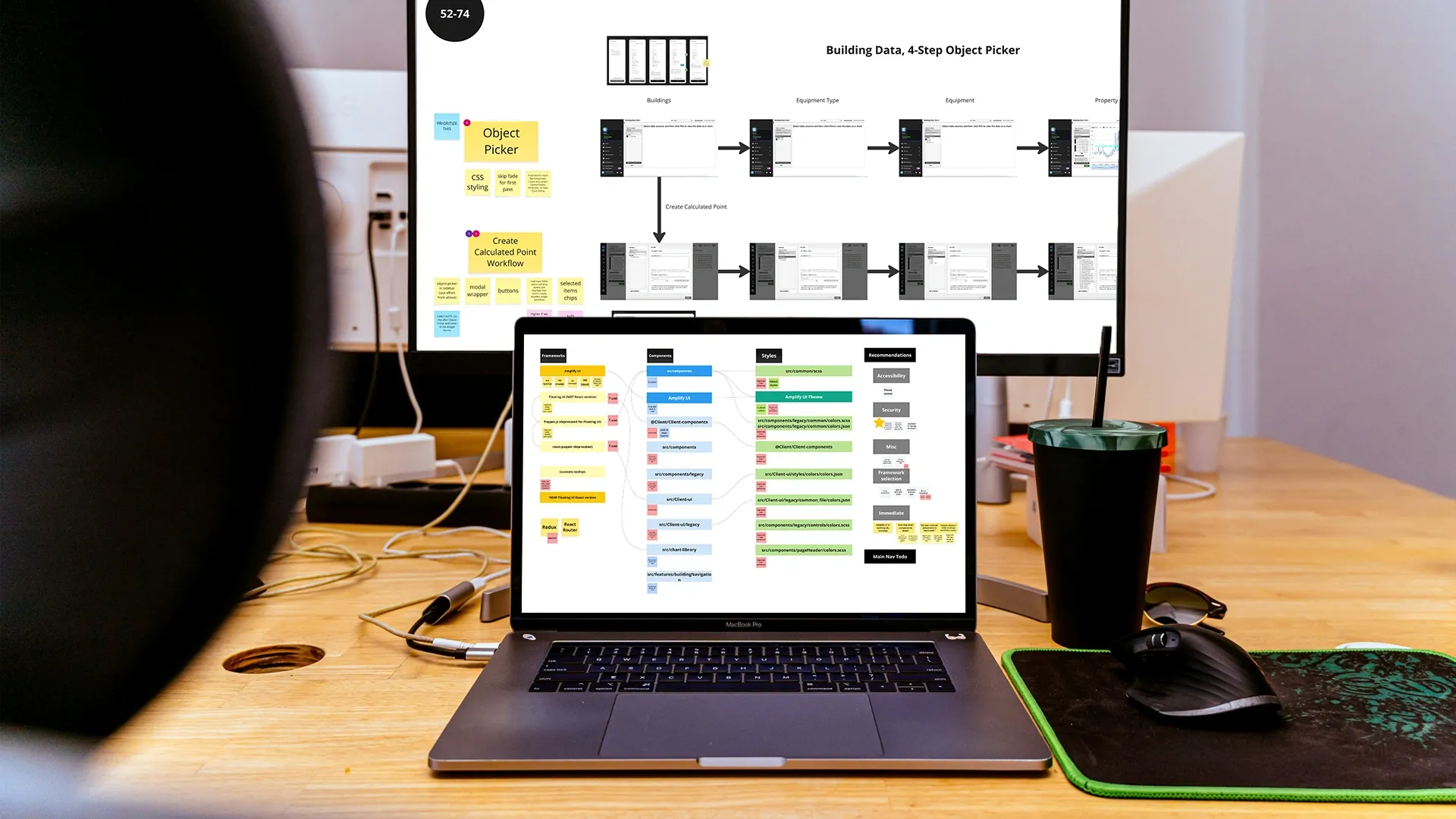
We address this by mapping out the exact formatting differences between systems and cleaning the underlying records first. A strong data foundation is built in stages, where fixing the highest-friction connection unlocks immediate reporting value and builds confidence across the plant floor. For a deeper look at how industrial teams bridge these gaps, see our guide on how industrial manufacturers connect ERP and CRM data to close more deals.
When you have an AI mandate without a data foundation
Executive teams frequently ask for predictive maintenance, automated quoting, or generative AI tools while their daily operations still run on manual CSV exports. Skipping straight to an AI build on top of fragmented records almost always forces a costly rebuild six months later, leaving leadership with depleted budgets and skeptical stakeholders.
Starting with an AI Readiness Diagnostic replaces guesswork with a documented baseline. Within weeks, you get a clear view of your data maturity, the specific gaps blocking automation, and a prioritized sequence of quick wins that fit your actual workflows. You can read more about this sequence in what happens during an AI strategy engagement for manufacturers.
Factor 2: Human-centered visualization and workflow adoption
- A data pipeline only creates value when plant managers, dealers, and sales reps trust and use the output.
- Lightweight, no-dev reporting tools often outperform custom software when the core problem is data consolidation rather than workflow execution.
- Custom interfaces make sense when teams need to take action inside the tool, not just read a chart.
Traditional software projects often measure success by whether a pipeline runs or a dashboard loads. Yet Be Data Solutions points out an important shift: modern product engineering connects software engineering, data engineering, and user experience to deliver measurable business outcomes rather than isolated features. At Clockwork, our Experience Design practice treats reporting and data tools with the same rigor as customer-facing applications.
No-dev reporting vs. custom-engineered software products
You do not always need custom application code to put clean data in front of your team. In our work documented in the Häagen-Dazs case study, franchise owners and business managers were spending hours building manual spreadsheets from multiple sources just to track store performance. Co-branded locations made it even harder to isolate brand-specific sales.
Clockwork mapped out the data formatting differences across three separate systems, cleaned the records, and established governance standards for future entries. Rather than over-engineering a heavy custom web portal, we enabled a practical no-dev reporting solution that pulls Häagen-Dazs-only sales data automatically. That single choice saved managers hours of manual reconciliation every week without adding software maintenance overhead.
Designing interfaces that field and operations teams actually trust
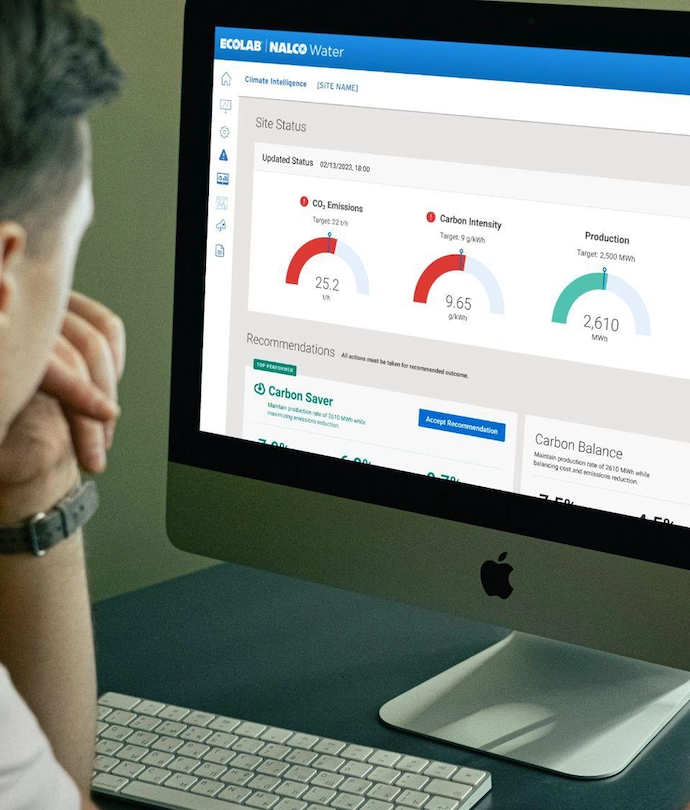
When a dashboard sits unopened, the issue is usually a mismatch between the interface and daily work. As NeenOpal notes, analytics create the most value when insights appear directly inside the tools teams already use rather than in a separate portal nobody remembers to check.
Digital transformations fail when they solve the wrong problem, leave staff out of the design process, or assume an idealized workflow that never happens on a busy loading dock. Whether we deploy a lightweight reporting layer or a custom dealer portal, we validate outputs with human review and build feedback loops so teams trust the numbers enough to stop keeping shadow spreadsheets.
Factor 3: Embedded governance, SOC 2 security, and data ownership
- Security and data governance must be built into the initial architecture, never tacked on after launch.
- External engineering support should leave your organization with full ownership of your pipelines, models, and definitions.
- Strict model-training boundaries protect proprietary manufacturing and financial data from leaking into public AI systems.
Handing over database credentials to an outside consultancy carries real risk. According to TopickZ, 48% of breaches in 2026 involved a third party, making vendor security standards a primary buying gate rather than a procurement formality.
For mid-market manufacturers, financial firms, and insurers, Clockwork treats security and governance as foundational requirements. We maintain SOC 2 certification, client data is never used to train AI models, and every engagement establishes clear internal standards and accountability over your data and outputs.
External capacity should never mean losing control of your own systems. As STX Next explains in its analysis of external data engineering support, the healthiest partner models keep your organization in charge of architecture decisions and institutional knowledge while supplying the engineering bandwidth you lack in-house. You can see how we structure those safeguards across our client work on helping clients navigate the emergence of AI.
Comparing Clockwork's data and engineering engagement models
Choosing the right entry point depends on whether you need clarity on your data, cleaner reporting, or deep system integration. Here is how our three primary engagement models compare for B2B operations.
| Engagement model | Best use case | Key strength | Primary limitation |
|---|---|---|---|
| AI Readiness Diagnostic and Data Maturity Assessment | Leadership has an AI mandate or broken reporting and needs a clear starting plan | Surfaces data gaps and quick wins within weeks without heavy upfront build costs | Produces a prioritized roadmap and business case rather than production pipelines |
| Standalone Data Pipelines, Cleanup, and Reporting | Teams waste hours reconciling spreadsheets across disconnected tools | Resolves formatting conflicts and delivers trusted, often no-dev reporting fast | Focuses on reporting and data hygiene rather than replacing legacy software |
| End-to-End Custom Product and ERP Integration | Field teams, dealers, or ops need new digital tools tied directly to ERP and CRM systems | Connects complex enterprise systems with human-centered interfaces built for adoption | Requires deeper stakeholder alignment and longer build timelines across departments |
For most buyers, the winner comes down to what is currently blocking the business. If your leadership team cannot agree on where your data stands or which AI use case makes financial sense, the AI Readiness Diagnostic is the right first step.
If your systems already hold the numbers you need but nobody trusts the exports, Standalone Data Pipelines, Cleanup, and Reporting solves the bottleneck directly. When disconnected ERPs and outdated dealer portals are actively slowing down orders or field service, our Technology & Engineering services deliver full custom integration and product development.
Scope and investment tiers: Matching the engagement to your internal readiness
You do not need an internal data engineering team to start any of these engagements. Clockwork works as an extension of your staff, asking only for access to the right operational stakeholders and a shared agreement on what success looks like.
Foundational diagnostic tier: Assessment and roadmap
This entry tier fits organizations that know their data is messy or their AI goals are vague, and want hard evidence before committing major capital. We audit your current data sources, map where manual workarounds are eating up staff hours, and evaluate readiness for automation.
The tradeoff is simple: you do not get production software at the end of this phase. Instead, you get an honest technical baseline and a sequenced plan within weeks so every subsequent dollar goes toward verified priorities.
Mid-range tier: Targeted data cleanup, pipelines, and no-dev reporting
Once you know which data gaps hurt operations most, this tier focuses on connecting specific systems and cleaning the underlying records. We standardize conflicting formats across databases, establish repeatable governance rules, and stand up practical reporting layers that replace manual spreadsheets.
This scope intentionally avoids building custom web applications when a no-dev dashboard or automated data feed will do the job. You trade bespoke UI features for speed, lower maintenance burden, and fast relief for managers who spend Mondays copying data between CSVs.
Enterprise tier: Full ERP/CRM integration and custom digital products
This tier is built for mid-market manufacturers and B2B enterprises replacing manual portals, modernizing legacy platforms, or integrating ERP and CRM data into daily operational tools. We pair software engineering with experience design and change management so the finished tool fits real workflows from day one.
Because this work touches multiple systems, teams, and business units, it demands sustained stakeholder alignment upfront and a larger investment. The payoff is a scalable digital product that eliminates manual re-entry and drives measurable adoption across dealers, reps, and internal ops.
Red flags when evaluating a data engineering and visualization partner
Before you sign a statement of work with any data consultancy, watch for these warning signs during discovery calls:
- They insist you must hire an internal data engineering team before they can begin work, which delays progress by months when you actually need an external partner to fill that gap.
- They pitch a specific cloud warehouse or AI model in the first meeting before inspecting how your current ERPs, CRMs, and spreadsheets format data.
- They treat data pipelines purely as back-end IT infrastructure without involving UX designers or talking to the plant managers and sales reps who will use the outputs.
- They treat security and data governance as an optional phase-two add-on instead of building ownership standards and access controls into the initial architecture.
- They promise an AI pilot built in isolation to impress executives without showing how the solution will connect to your live workflows and data pipelines.
Which path to choose for your operation
Every operational leader sits in a slightly different seat, so the right starting point depends on the friction in front of you.
If you are a Manufacturing Ops Leader watching supervisors run production schedules on local spreadsheets because your ERP data is unreliable, choose Standalone Data Pipelines, Cleanup, and Reporting. Cleaning up formatting conflicts across your existing systems and standing up a trusted reporting view will give your team accurate numbers without disrupting the plant floor.
If you are a VP of Sales or Marketing facing pressure from leadership to launch AI tools while your regional sales and dealer reports disagree, choose the AI Readiness Diagnostic and Data Maturity Assessment. You will get an objective baseline of your data gaps within weeks and avoid spending budget on an AI pilot that cannot scale.
If you are a Director of Digital Products managing an aging dealer portal or disconnected ordering workflow that customers refuse to use, choose End-to-End Custom Product and ERP Integration. Combining system integration with human-centered interface design ensures your teams and dealers actually adopt the platform.
If you want clarity on where your data stands before committing to a major build, reach out through our Contact Us page to schedule a conversation about our Data & AI Solutions, or browse our B2B and manufacturing case studies to see how other teams untangled their systems.